
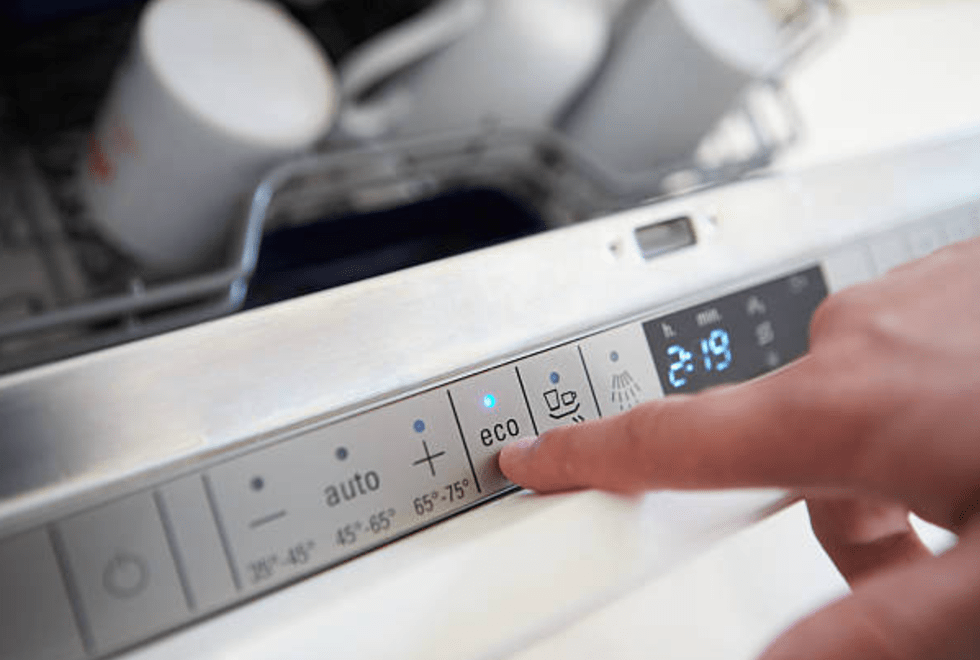
A dishwasher that refuses to start can disrupt your routine and leave you wondering what’s gone wrong. This issue could stem from simple user errors to more complex mechanical problems. Below, we’ll explore common causes and solutions for a dishwasher that won’t start.
7 Reasons Your Dishwasher Won’t Start
Below are the most common reasons a dishwasher isn’t starting. If you can’t identify the problem with your appliance, consider scheduling a dishwasher service to diagnose the issue and fix it:
1. Power Supply Problems
If your dishwasher isn’t receiving power, it won’t start.
How to Fix It:
- Check if the dishwasher is plugged in securely.
- Inspect your home’s circuit breaker for tripped switches and reset if needed.
- Test the outlet with another appliance to ensure it’s functioning.
2. Faulty Door Latch or Switch
The door latch ensures the dishwasher door is securely closed during operation. If the latch or its switch is damaged, the dishwasher may not start.
How to Fix It:
- Inspect the latch for visible damage or wear.
- Ensure the door closes tightly and latches properly.
- Replace the door latch or switch if necessary.
3. Control Panel Issues
If the control panel or its buttons are malfunctioning, the dishwasher may not start.
How to Fix It:
- Check for visible damage or unresponsive buttons on the control panel.
- Reset the dishwasher by unplugging it for a few minutes or flipping the circuit breaker.
- If the problem persists, the control panel may need replacement.
4. Delay Start Feature Activated
Some dishwashers have a delay start feature, which schedules the cycle to start later. If this setting is unintentionally activated, it might appear as if the dishwasher isn’t starting.
How to Fix It:
- Check the display panel for a delay start indicator.
- Cancel the delay start by following the user manual instructions.
- Start the dishwasher manually to confirm the issue is resolved.
5. Water Supply Problems
Dishwashers require an adequate water supply to start. If there’s an issue with the water connection, the cycle won’t begin.
How to Fix It:
- Ensure the water supply valve is fully open.
- Inspect the inlet hose for kinks or blockages.
- Replace a damaged or worn inlet hose if necessary.
6. Blown Thermal Fuse
The thermal fuse prevents the dishwasher from overheating. If it’s blown, the dishwasher won’t start.
How to Fix It:
- Use a multimeter to test the thermal fuse for continuity.
- Replace the fuse if it’s blown. (This may require professional assistance.)
7. Faulty Motor or Circuit Board
If the dishwasher’s motor or circuit board is defective, it may not start.
How to Fix It:
- Listen for unusual noises that may indicate motor failure.
- Inspect the circuit board for burnt or damaged components.
- Consult a technician to repair or replace the faulty parts.
Preventing Dishwasher Start-Up Problems
To avoid start-up issues, perform regular maintenance. Clean the door latch, check the power connection, and inspect the water supply. Following the manufacturer’s usage guidelines will also help prolong your dishwasher’s lifespan.
If troubleshooting doesn’t resolve the problem, it’s best to contact a qualified appliance repair technician. Addressing the issue promptly can save you time and prevent further damage to your dishwasher.
 FFX Appliance Repair